




—
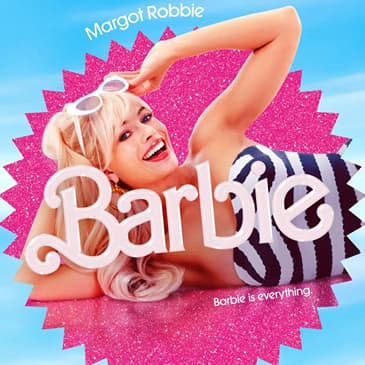
Here’s a little pinkified palate cleanser for y’all - it’s Kara, Penny, and Jason talking Barbie! If you haven’t tuned in to the cultural phenom that is the new Barbie movie yet, it was directed and co-written by Greta Gerwig, who usually does smart, character-focused indie movies like Lady Bird and Frances Ha, and we thought she was such an inspired choice for this surprisingly complex, layered, funny, incredibly beautiful, thought-provoking movie. This podcast is full of spoilers, so if you’re at all interested, we recommend you bust out your pinkest duds and go check out the movie first, and then come back and listen.
Be sure to check out Kara’s other podcast, Perfectly Marvelous, which is about to start coverage of Only Murders in the Building. You can find them anywhere you get podcasts, and their Facebook group is at https://www.facebook.com/perfectlymarvelouspodcast?mibextid=LQQJ4d
Links:
• Tod Haynes movie, Superstar, on YouTube: https://www.youtube.com/watch?v=OLx9IQ8Z7rQ
• Mini Hijab Fashion: https://www.instagram.com/hijarbie/
• “A Real Doll” by AM Holmes: https://electricliterature.com/a-real-doll-by-a-m-homes/
• MarWenCol, 2010 documentary about artist Mark Hogencamp and the world he creates using Barbies and GI Joe dolls: http://marwencol.com/documentary
As always, thanks to everyone who wrote in. If you’d like to write or call in too, you can find all our contact info at podcastica.com.
Next episode of The 'Cast of Us: Oppenheimer, as part of our Barbenheimer crossover with Ben’s other podcast, Wilhelm, which you can find at wilhelmpodcast.com or @wilhelmpodcast on socials. Highly recommend checking it out!
Show support and get ad-free episodes: patreon.com/jasoncabassi or go to buymeacoffee.com/cabassi for a one-time donation.
Learn more about your ad choices. Visit megaphone.fm/adchoices
[00:00:00] Hey everybody, we got a little bonus episode for you here. It's our take on the new Barbie movie, which is huge in the culture right now. We actually posted this on the cast of us are one of our other podcasts where we usually cover like Walking Dead and Last of Us stuff. But it was kind of a palate cleanser. And it was me and Penny. So you know her and our friend Kara, who's great. And we just had a really good talk about this movie. And the more I thought about it, the more I thought I think the Yellowjackets audience will dig this.
[00:00:30] It's like Yellowjackets in a lot of ways. It's complex, thought provoking, super smart, funny, you know, it's women centered, of course, it's Barbie. So if you didn't know that Barbie was such a good movie, if you kind of weren't paying attention, I bet most of you guys were. But anyway, we highly recommend that you check it out. This podcast is super spoilery. So if you don't want to be spoiled on it, you'll want to go watch it before you listen to this. But anyway, here it is.
[00:01:31] Hi, Barbie. Hi, Barbie. Hi, Barbie. Oh, hi, Alan. There are no multiples of Alan. He's just Alan. Yeah, I'm confused about that.
[00:02:15] These are Zed Heads. Welcome to the podcast. I'm Jason. And I'm Penny. And I'm Kara. And this is the cast of us episode 533. And in this episode, we're covering the Barbie movie. Woohoo! Yay! Yay! Why are we doing this? Because it's our podcast. We can do what we want. And it's so big in the culture right now. And actually, we're going to... This is part of our Barbenheimer crossover with Ben's Wilhelm podcast.
[00:02:44] We're actually going to release both episodes on both podcasts. So you'll hear Ben talking about Oppenheimer with Kristen in this feed within a couple days or so. But I recommend checking out his Wilhelm podcast. They cover all kinds of different movie topics and top fives and stuff. And he and I are going to do our favorite Robin Williams movies coming up in a couple weeks here. You can find all that at WilhelmPodcast.com. But I want to welcome you guys. Welcome, Penny and Kara. I'm excited that you guys wanted to come and talk about this. For sure.
[00:03:14] Thank you for having us. I have been looking forward to the Barbie movie for so long. And what a joy to be able to talk to two other intelligent consumers of media about one of my favorite icons. It's awesome. Oh, yeah. I had to jump on it. I was pumped. Yeah, you did. You're like, I want to talk about it. I'm like, cool. So, Penny, you were really looking forward to it. What had you looking forward to it? Did you know who was making it?
[00:03:42] Or you just love Barbie or what? Sort of both. I've always been, since my adulthood anyway, sort of fascinated by the impact that Barbie has on our culture. How widespread it is. How successful it is at spreading all over the globe. At reaching virtually everyone. Right? Love it or hate it, everyone has an opinion about Barbie. Right? Like, people either love Barbie, they hate Barbie, people are conflicted about Barbie.
[00:04:11] There's so much to think about there. And then when I heard that Greta Gerwig was attached, I was really excited and loved Greta Gerwig. She's an amazing director. If you haven't seen Lady Bird, like, run and go see Lady Bird. Yes! She's so good. Yes, I agree. I love her. And her co-writer, Noah Baumbach, is an alum of my college. So, I also always like to promote and support my Vassar brethren. So, Noah.
[00:04:42] We overlapped, but we didn't know each other. Yeah, such an inspired choice to have her write and direct this movie. Because she, if you don't know Greta Gerwig, she's done mostly like really small independent character focused movies. She's an actor, writer, and director. And Noah Baumbach is her partner, right? And they work together on some things. Yeah, Lady Bird's probably the most famous one. But this Frances Ha that she acted in, and I think they co-wrote it together, and he directed. Yeah, that's fantastic.
[00:05:12] And she did a remake of Little Women that got a lot of awards and stuff. Who was in that? Saoirse Ronan was in that too. And Florence Pugh. Gosh, a lot of people. Emma Watson. Yeah, Emma Watson. Yeah. Yeah. I, at the time, was like, we don't need another Little Women, but that was wrong. Like, I'm not like, I mean, yeah, I'm one of those that had conflicted feelings about Barbara. Probably.
[00:05:36] And as a, I didn't play with Barbies, but I remember being at a friend's house and they had this like bust, well, like a head of Farrah Fawcett that I think was in the Barbie line. And you could play with her hair and style it. And I love playing with that thing. Farrah Fawcett part and makeup head. Yeah, I remember that. Anyway, I never really like gave Barbie all that much thought. But what made me interested in watching the movie was Greta Gerwig. I'm like, oh yeah, I got to see what she's going to say about this. Yeah. Yeah. She's so smart. Yeah.
[00:06:06] When Greta talks, I will listen. Yeah. So. So before we got, get started talking too much more about the movie, I thought it would be fun if we just talked about whether we played with Barbies and what kind of toys we played with and just what our experience with Barbie was kind of briefly, you know, Kara, how about you? Yeah. Play with Barbies. So I did play with Barbies. I played with Barbies a lot. So my mom was born in 1955 and, you know, Barbie first came out in 59.
[00:06:36] So I kind of had the benefit of having all of her Barbies to start playing with too. So the original Barbie, the original Ken, original Alan kind of started my collection. She kept it all. Which was, she did even that, you know, the iconic black and white striped bathing suit for original Barbie. And it was still in good shape? It was before I got to it, unfortunately.
[00:07:04] I, like, I remember. They're all weird Barbies after. Oh yeah. I had a lot of weird Barbies. The most prominent one I think I remember that sticks out to me the most was when I was eight in like 1996 when it was the Magnificent Seven with the US Women's Gymnastics team. There was a specific Barbie that came out for that.
[00:07:29] And then Barbie's little sister, Stacy, was released with her own uneven bars. And I was obsessed that summer. And I think that's the one that stands out to me the most. But I'd say other than that, I didn't have a typical experience playing with Barbies. Like none of mine were playing house. I usually had them reenacting like Oregon Trail adventures and like dying of dysentery.
[00:07:59] And I had like hostage situations with my brother's GI Joes and all of my Barbies like banning together. So I don't know if I had your typical experience with Barbies growing up, but I remember loving them like the imagination that I had was pretty vivid when I was a kid. And Barbies definitely helped me express that. That and like Polly Pockets and American Girl dolls.
[00:08:27] I would play out all kinds of random scenarios with those toys. We did that. Me and my friends would take our little superhero and GI Joes and stuff. And yeah, just make up scenarios. And my kids do not do that. They don't know how to do that. When I try to suggest it, they look at me like I'm crazy because they're so into games, I think is why. They're just... I could see that. Yeah. And it's a shame. I'm like, I should force them make up a scenario, but I can't. It doesn't really work, you know?
[00:08:57] That's a good point. Because I don't think I played video games. Like we got a Sega Genesis when I was, I don't know, 10 maybe or something. So it took a while for me to ever really get into video games. So it was basically me and my books and my imagination. Which is good. Yeah. It was pretty fun from what I remember. We're going to have a get together and we're all going to just do that. We're going to play with dolls. Yeah. Get all our characters together.
[00:09:26] It'll be post-apocalyptic, I'm pretty sure. Awesome. It's like play therapy. It's fine. Penny, what about you? My mom was one of those anti-Barbie moms. She didn't want us to have any Barbie stuff. She thought it was crass and plasticky and too adult, you know? Because she has boobs and stuff. But you can't keep things out of your house forever.
[00:09:53] So over the years at a birthday here and a Christmas there from relatives or whatever, I got two Barbies, a skipper and a Barbie makeup head. Which was a prized possession. My older sister and I had to share it. And Jason, you were talking about the Farrah Fawcett head. This was just Barbie head. And it came with hair stuff, but also makeup that you could put on her face. And of course, on your own face. Right?
[00:10:22] Like, you don't just put it on the Barbie. You put it on yourself. And my mother saw us covered in blue eyeshadow and stuff and took the makeup away from us. And then we used markers to play with the Barbie makeup head and ruined it forever. I told that story to a friend of mine sometime in the early 2000s.
[00:10:47] And she bought me on eBay a genuine 1978 Barbie makeup head. Oh my gosh. I mean, it's called Barbie Fashion Face, but I will forever call it Barbie Makeup Head. And it has all the original makeup and hairstyling tools and stuff on it. That is fantastic. One of my favorite things about it is that you can see the original color of the packaging on the bottom. It's hot pink.
[00:11:14] But the rest of the box is this very soft rose because it's faded. It's like salmon colored. Jeez. Don't put your markers on that one. No, I will not. And I have a very small and very specific collection of Barbie stuff. That's one of them. And I have them displayed in my kitchen. I had to get on a ladder to get that down to show you guys. I'm sorry, listeners, but you can't see it. It's awesome.
[00:11:41] I have two other collectible Barbies and they were featured in the movie, which made me so happy. And that's Earring Magic Ken. Oh my gosh. Which very widely characterizes the first out of the closet gay Ken. I love that you have that one. Yeah, I love Earring Magic Ken. And I also, of course, have the video Barbie girl with the camera in her chest. That's pretty cool. Penny's got it right there in the box and everything.
[00:12:11] In the box. That's awesome. That's so cool. My little niece was over here one day and she was like, what is this? And I was like, oh, that's, you know, camera Barbie. And she was like, can we open it? And I was like, no, we never open it. Like, nope. Wow. You clearly are the person for this podcast. It's like the only other Barbie I think I still have is somebody got me, you know, like a Judge Barbie when I graduated from law school. I have Judge Barbie. She's over there. Yeah. Like that one's a nice one. That one's still in the box in my office. Yeah.
[00:12:40] That's a perfect one gift for any lawyer. For sure. I really want Astronaut Barbie. I'm going to have to get one of those. That would be a good one. There's a couple of different versions. I'd really like to have the one from the 60s, but I would take the 80s one as well or the one that's more recent, the Mars Rover Barbie. That would be cool. Yeah. What did she say? Yay, space! Yay, space!
[00:13:06] Well, I, yeah, I never, I guess I had a stereotypical, I mean, I had this little Spider-Man doll that I tied a shoelace around his wrist and flung him around like he was swinging around and played with that thing so much. And then I had a bunch of Star Wars, you know, figures and some G.I. Joes. And that's about all I can remember. I'm sure I probably had some other stuff, but that's what I was into. And then I'd go to my friends and his sister had a bunch of Barbie stuff. So we'd play around with those a little bit.
[00:13:37] It's interesting what sticks out. Yeah. Yeah. My Barbies didn't have any cans to date. So I would steal Star Wars figures from my brothers. And Barbie often dated Darth Vader. And, you know, I'm sure that has had something to do with my taste in men as an adult. Formative. She liked the bad boys. She wasn't, she taller. Oh, so much taller. Right. So, yeah. Like more than twice as tall. Yeah.
[00:14:05] But I didn't have any, it was that or a stuffed animal. So. Yeah. All right. Barbie's not a furry. I guess we established that. At least my Barbie wasn't. No, they don't have that yet. Ken's a furry in this movie. All right. So let's get into the movie. Barbie. 2023 Greta Gerwig wrote or directed and co-wrote with Noah Baumbach. What did you guys think in general? Kara, what about you? Just briefly.
[00:14:34] I loved it. I really, I didn't, I tried to avoid watching trailers because I was so excited for the movie. I didn't want any expectations going in. And I mean, I expected to laugh and I expected to walk away feeling like someone empowered knowing that Greta Gerwig was behind it. But I didn't expect to cry. And that definitely happened. But overall, I really loved it and I want to see it again.
[00:15:04] I watched it twice. I watched it a few days ago and I wanted to watch it again just to have it fresh in my head before we podcast again. And also, I was taking a lot of notes and I knew I was missing tons of amazing visuals. So I wanted to try not to take as many notes this time just so I could keep my eyeballs on the screen, which was good. But I'll go ahead and say what I thought since I'm already talking. I thought it was brilliant.
[00:15:29] I thought it was super smart and so thought-provoking and incredible design. And I found parts of it uncomfortable as a man watching it. And I think that's just fine. But I'm going to talk about that. I'm a little nervous about when we get to that part. But I want to be honest about everything I thought. But I don't think I would change anything, though. No, I thought it was really, really good.
[00:15:56] It's so great to make a Barbie movie like this that sort of challenges us and speaks to the moment rather than just some fantasy thing or something. You know, it was awesome. Funny. So funny. Funny. So the theater was having such a good time. It was like everybody was just laughing. And it felt you could feel that energy. It's so funny. After the pandemic, you know, it took me a while to go back to movie theaters.
[00:16:23] And this was the first time I had that experience again of like everyone's having fun together at the movies right now. Yeah. It's so interesting how lately it's been such a cultural thing, the whole Barbenheimer thing. Yeah. That feels like that doesn't happen so much anymore where we're all really excited to see a movie and it just happened to be these two together. But it felt like something from a decade ago where we're like, I can't wait to get to the theater to watch this. So that was nice to be a part of, too. Oh, yeah.
[00:16:53] So I'm sorry. I can't. Penny, what else? I was telling these guys earlier, I dressed up to go to the theater. Did you dress up, either of you, in any kind of like Barbie-ish clothes or pink? I just wore my pink shirt. Pink is good. I had, yeah, hot pink shoes and a hot pink tank top. That was about it. Nice. I have this Betsy Johnson light and dark pink satin shirt. And I wore that with a skirt. And I had all this jewelry. And I did my makeup and everything.
[00:17:23] And it was so fun. I don't have any reason to get dressed up like that. You looked amazing. We should post that picture. I want to post it. Yeah, we can post it if you want. And the reaction I got from people when I was walking into the theater and stuff was really fun. And then there were other women there who had dressed up. And we were all taking pictures for each other outside of the theater. Unfortunately, our theater didn't have one of those giant Barbie boxes that you can get inside.
[00:17:53] I've seen some people posting of that on Instagram. But there were giant Barbie posters. So we stood next to them and took pictures of each other and stuff. It felt really like this wholesome sisterhood moment. Like all women are together in this. And it was cool. I definitely agree with that. It was very much, we talked about it before starting, how it was kind of like that vibe of, you know, like happy, friendly drunk girls in bathrooms. Like everybody complimenting each other.
[00:18:23] You're so pretty. No, they're so pretty. And like there were a couple people in the bathroom right after ours. Everybody would walk past each other and be like, hi, Barbie. Hi, Barbie. And I was just like, this is so fun. And I, you know, I know Taylor Swift is kind of a polarizing figure, but I grew up with Taylor Swift.
[00:18:44] And the only thing I can really equate to the Barbie experience was going to her Heirs Tour concert earlier, where it was just this really great positive energy. And like, it was predominantly women in my theater, I think, especially because we saw it so early. But it was just, it felt so safe and supportive. It was just kind of addictive. And I walked out on like a high.
[00:19:10] Now thinking about it again, I'm getting, like it was just, it was, it was a really neat experience. That's cool. I saw it by myself both times and it was very solitary. I think the second time today, the theater barely had anybody in it, but I know there were at least a couple other guys in there. But yeah, you guys had such a different experience of it. I really enjoyed it, but I didn't get to have that sisterhood feeling. I don't think I would ever have that.
[00:19:39] It was, it was, it was special. And I want to have it again. And I'm like, when should I go see it again? So that I know I have the maximum experience. Yeah. There's a drive up, drive up theater, drive in theater near here. That's doing Friday night, a double feature of Barbie and Legally Blonde. And I'm pretty good. That's fun. It's cool. Unless it's like a hundred degrees. Yeah. All right.
[00:20:09] Let's get into our points. Kara, would you like to go first? Sure. So the first thing that I think stood out overall to me, especially at the beginning of the movie was just the overall brilliant, aesthetic, vibrant vibe with the set and the costuming. And it was just so creative and addictive. Addictive. Like my eye could not look away.
[00:20:38] And there was not enough time for me to take everything in. And about five minutes into the movie, like seeing Barbie land, I realized that my cheeks were already hurting from smiling so much. Just because of how vibrant everything is. And the creativity with, you know, Margot Robbie waking up and the brushing her hair without actually brushing her hair and the showering without water and just all of the products in the fridge and the dream houses.
[00:21:07] I just, I couldn't get enough of it. And how pink it was. Yes. Very, very pink. Pink goes with everything. Yeah. Yeah. I, yeah. I felt the same way. I, I, I was, I don't know why I didn't expect it to be so visually appealing, but it was like you said, yeah, addictive. It's like cotton candy or something. And, um, they just went all out with it.
[00:21:37] And I, a couple of things that stood out to me early on was just this beautiful pink sand beach and how it melded into the light blue static ocean, like ice cream or something. It made me want to eat it. And the still waves are really gorgeous. And then, um, Like candy. Yeah, it did. And her pink bed with this rainbow translucent bedside lamp.
[00:22:01] And, um, how everything is stagnant, you know, like the waves are just sitting there and it's beautiful to look at, but it's also kind of a metaphor for this stagnant, unchanging nature of the land and how she just wants it to stay that way at the beginning. Um, I, and I also loved Ken's fur coat. And when I used to go to Burning Man, I was looking for a coat like that and I totally want it. I'm sure it's faux fur and I would totally wear it to Burning Man.
[00:22:29] Um, and I also love the good Burning Man coat. Yes. And I also love the aesthetics of, uh, the Ken, I'm just Ken number when they went into this kind of dance, you know, pink. And, um, I liked the sound of that too. It was, it was really cool. I love that segment. I think that song is going to be a breakout like radio hit. People all over the internet are talking about it. Oh yeah. Yeah. I want to hear it again. Yeah.
[00:22:58] Uh, I listened to the soundtrack today while I was going through my notes. Um, that is definitely the song that I remember the best that and the opening song, you know, about how her life is perfect and pink and everything. Um, yeah. Those two. There's also, I'm a Barbie girl, right? That wasn't on the soundtrack. It wasn't. I thought it was in the movie at the end. I don't know. I could be wrong. They had like, it was like a mashup, like a remix or something. Oh, and it had a little bit of it.
[00:23:27] It was stuck in my head. Yeah. So it was me too. I love that song. I not even ironically. I, I just flat out love it. Um, yeah. Yeah. Okay. Penny, your turn. I thought I would share some of my favorite, like Barbie facts. Um, nice. So even, so there are a lot of criticisms of Barbie and especially her, her body.
[00:23:55] Um, because you know, there's no right way to be a woman, but people seem to think that if they tell, you know enough, we'll find the right way. So, um, you know, the Mattel did a market study and the adults who saw the doll before it was released said that she had too much of a figure.
[00:24:13] And Mattel, instead of stopping production, uh, became the first toy company to market directly to children by sponsoring the Walt Disney Mickey Mouse Club program and running ads that children would see that sort of bypassed whatever their parents would want. Cause I mean, Jason, you're a parent to small children and you know, if they want a toy, they're going to badger you about it forever. Right. I mean, that doesn't work like that anymore.
[00:24:40] They want video games, but I remember when I was a kid watching Saturday morning cartoons, there would be tons of toy commercials and I wanted the toys and I would badger my mom. But then there became laws that they can't do that anymore at some point. So I don't think you can have toy commercials in cartoons anymore. I could be wrong, but I'm pretty sure there's laws around that and it doesn't. Yeah. The kids don't come badgering me for toys. We don't have commercials either. We do streaming and stuff. You know what I mean? I love not having commercials. Oh yeah.
[00:25:09] Um, anyway, for me as a kid, it was like that for sure. Uh, so then Barbie, Barbie was released in 59 and was a huge success. And so in 61, Mattel introduced her accessory, which is Ken. And, uh, Ken is also named after one of the founders children. Their children were Barbara and Ken. Um, and then in 63, Wait, they were brother and sister that Barbara and Ken were brother and sister. Okay. Yeah.
[00:25:37] Um, in 63 Mattel added midge and 64 skipper. And then there were some siblings that came later. Stacy's one of them. Um, in 68 Barbara, Barbie had her first, uh, friend dolls who were people of color. And it was in 1980 that there was a black Barbie and a Latina party. So, uh, Barbie is an incredibly successful, um, you know, worldwide brand.
[00:26:07] Uh, it's sales have gone down and they were at their height in the nineties. Um, they've been going down since the early two thousands. I have a feeling this movie is going to turn that around. Um, but Mattel calculates that there are two Barbies sold somewhere in the world every second. And they make over a billion in annual sales. This includes video games, books, animated films, music, clothes, product tie-ins with multiple brands and designers, celebrity and character additions, and the special adult collector addition dolls.
[00:26:36] Of which, um, Sugar Daddy Ken is one. I really wanted it, but it was like $275 when it came out. Oh my God. And I was like, I, I don't want it that bad. But yeah. Um, so yeah. He should be paying you, not you pay for him. Exactly. I loved how he was like, no, this is sugar and I'm his daddy. So great. Uh, so, um, but one other thing is that in 1994, researchers in Finland, uh, did this analysis
[00:27:06] that if Barbie was a real woman, she would not have enough body fat to menstruate. And, uh, Mattel did respond to that by changing the body mold for Barbie several times. And she today has, um, you know, a more realistic, not a realistic, but closer to realistic body than she used to have. And, um, last year, I think they introduced hinged ankles. So now she can flatten her feet at real. Mm-hmm. Which is a progress. Progress. Yeah.
[00:27:36] I did like in the movie when, uh, when Margot Robbie, when her feet are flat and she's just like, I would never wear heels if my feet were really this shape. And I was sitting there like, yep, yep. Exactly. Preach. Come on. That moment when she shows her flat feet to everyone, Kingsley Ben Adir was doing some with the funniest physical acting I have ever seen.
[00:28:04] Gagging like a cat with a hairball. Oh my God. That was so funny. I've only ever seen him in serious roles. So I wasn't prepared for how funny he is. Oh my God. It was so good. Just like off in the background on the lifeguard tower. It's like bleh bleh. So great. And you mentioning that, I will say the marketing around this movie is some of the craziest, like best marketing I think I've ever seen.
[00:28:32] And I don't know if it's just because, you know, cause I was a kid of the nineties. So I'm sure my social media algorithms know my age, like my, that I'm probably the target audience. So there was, you know, weighted blankets that were Barbie theme that kept popping up on my feed. There were wine glasses that were Barbie themed and all these different companies that I never
[00:28:58] would have thought would be pairing up with Barbie had Barbie specific merch. And I was just like, I don't know how they did that, but it was like constant. Every time I opened an app, there was something Barbie related. I mean, this movie I think is also marketed towards, well, you guys more, but all of us who grew up with Barbie and not kids. I mean, it's the gynecologist at the end, you know, it's adult, it's an adult movie for,
[00:29:28] it's for women who played with Barbies and anyone who knows about Barbie growing up more than it is for kids maybe. But I'd be interested. I bet you kids might still enjoy it. I don't know though. It's pretty sophisticated. I mean, the look of it, kids might enjoy, but I don't know. I don't think they'd get all the jokes. Yeah. Yes. Like I talked to a couple of people that had, you know, like a group of 12 year old girls that wanted to go see it. And it sounded like there's like a fine line where they've enjoyed the movie because it's
[00:29:57] funny and it's aesthetically pleasing and all of that. But there was a lot of stuff that just went right over their heads, which, you know, that works out. It reminds me of seeing that Brady Bunch movie in the nineties when I was a kid. There's a lot of innuendo in that, that I did not understand. Yeah. It's kind of like how Pixar has little bits for adults, but this is more skewed towards adults with little bits for kids maybe. Yeah. Yeah, exactly. Okay.
[00:30:25] I mean, since you're talking about all the facts and stuff, I loved the focus on the discontinued ones like Midge, the pregnant Barbie and which is real. She made everyone so uncomfortable. Yeah. And I guess. Will Ferrell's character screaming when he saw her. What's so funny. I guess Midge was married to Alan or something, but Midge was sold alone.
[00:30:52] And so they thought it sent a wrong message about pregnant teens. And so they discontinued it or something. And then there was the, what was the one? Grow up skipper. Yeah. Where you turn her arm. Oh my God. And her boobs would grow. Yeah. She'd get taller and her boobs would grow. And that's real. I was looking up information on all these and I saw this YouTube video of this guy like, I have a grow up skipper and showed how it worked and everything. And I'm like, oh my God.
[00:31:19] Even that little dog, the dog that would leave like little poops. Oh, the little plastic poops. A real one. Yeah. And I think there was something wrong with the magnet, like pooper scooper that came with it. The magnet would come off. And so they discontinued that one and the dog wouldn't poop anymore. And I think one of my friends had one of those when it originally came out. So that I was not expecting to see that in the movie and it unlocked a memory for me. I was like, oh yeah.
[00:31:48] That's such a weird toy. Yeah. That's weird. All of these. It's really interesting. Pregnant, a pooping dog, a boob growing Barbie. And then this guy, Alan was a real one too. It was Ken's friend who could wear all Ken's clothes. That was the big marketing point, but I guess he was too boring. So he was quickly discontinued. Michael Cera was perfect in that role. Oh yeah. I loved him. Yes.
[00:32:17] He was like the only good guy, I would say. Mm-hmm. In the whole movie. Which I thought was very interesting in terms of, you know, the whole patriarchy theme. It seemed like none of the Ken's ever really acknowledged Alan. It was only the Barbies that acknowledged Alan. And I was just like, poor Alan. Like, he's one of the good ones. And he, at the end, he was hanging out with the Barbies when they reinstated control. And he was like, so happy about it. He had the pink jumpsuit and everything. Yeah.
[00:32:47] Yeah. That was precious. I loved it. Okay. My turn? I think so. Yes. My number one is the trickiness of this movie. Because we've kind of talked about how Barbie's been. Some people love Barbie. Some people hate Barbie. A lot of people feel conflicted. It has to appeal to all of those people. Maybe not the ones who hate Barbie because they're not going to come, maybe. But if you're conflicted about it, it has to be progressive and aware of the criticisms of Barbie.
[00:33:16] But also appeal to people who love Barbie unconditionally. And package it, all of that together in a way that satisfies everyone. Including Mattel, who still makes Barbies, right? And I think they produced this movie. They own the film rights and everything. And they had to sign off on it. And I'm impressed that they did. Yeah. I think you're right, Penny. They probably smartly realized. Or maybe it was you, Kara, that said this. That this is going to probably up the sales of Barbies, you would think. Yeah. Yeah.
[00:33:46] But I hadn't really thought. I was more tuned into the negative aspects of Barbie, I guess. I mean, I wasn't really that critical. But if I had thoughts about Barbie, it was, oh yeah, Barbie's the one that sets up this unreachable ideal. And then makes kids feel bad about themselves. Okay, what else am I doing today? You know, that was just kind of my thoughts about Barbie. Never having really gotten that much into it. And Sasha voiced all those criticisms.
[00:34:14] Even making women feel bad about themselves since you were invented. Like that one scene where she was giving her all that shit. Set the feminist movement back 50 years. Yeah. Something about rampant consumerism and being a tool of sexualized capitalism and blah, blah, blah. Called her a bimbo. I haven't thought about you in years, you fascist.
[00:34:33] And so, but then what the movie really woke me up to that I, maybe I had some realization of was the good things that Barbie did. That opening scene that was like 2001 inspired where the girls are bored and smashing their baby dolls. Yeah. I loved it so much. That was awesome. So funny. And the narrator says Barbie changed everything, but then changed everything again.
[00:35:02] Started as a lady in a bathing suit, but then became so much more because Barbie can be anything. Girls can be anything. This has reflected back on the world. Thanks to Barbie, little girls can be anything. All problems with feminism had been solved. So it kind of turned into a joke there, but there's truth to it that in Barbie land, all the women do all the important things and own everything. And the men are superfluous accessories.
[00:35:26] And I can see that being so appealing to girls and maybe helping bolster their confidence that, hey, I could be anything, you know, there's judge Barbie here and all this. So, um, and they tried to do, they did diversity in there too, which is, um, uh, commendable. And so, um, like I said, I think Greta Gerwig was an inspired choice to write and direct this.
[00:35:52] And, um, she did such a good job of taking the complicatedness of all of this and putting it together in a way that speaks to this moment that we're in right now, where we're all sort of reevaluating our past. And seeing that a lot of it is problematic and trying to reconcile that because there's parts of it that we love that we want to carry forward, but we have to look at it in a new way.
[00:36:17] And, and also just looking at power dynamics between men and women and how women have been, uh, in this one down position for so long and how to change that and how it's still this huge struggle. And so that, I mean, to focus on that with this movie where there is conflict about our feelings about Barbie was so perfect, you know, like very, very good.
[00:36:46] I saw this, um, interview with Margot Robbie and Greta Gerwig, and I could not find the, uh, journalist's name. It was a woman. I think it was put out by ABC. Uh, but they were talking about how the movie, you know, came into fruition and Margot Robbie acquired the rights first. And then she's the one who approached Greta Gerwig about writing it. And then as she was writing it with Noah Baumbach, Greta Gerwig was like, I have to direct this. I, you know, I have very strong feelings about this now.
[00:37:16] Uh, and they, they talked about the process of going back and forth with getting approvals from Mattel and how, uh, how it was just a really long process of showing them things that scared them. And then taking it back a tiny bit and then bringing it back and showing it to them again. And they would like accept some of them and then they would bring back more scary stuff the next meeting. And they just kept working on it.
[00:37:39] Uh, and the two of them talked about how they both wanted to address the problematic aspects of Barbie head on because they thought that was where the interesting story was, which is how this story about the patriarchy came about. And I just love the idea of being like, what's the most troubling thing about this particular item? Like, let's explore that and not take the easy way out and do some like, you know, romance or something.
[00:38:08] With Barbie, it makes sense because that is the thing that you think of these days with Barbie. It's, it's a big part of what we think of with Barbie, you know? So why not just address it directly? And yeah. Yeah. They were so self-aware with that issue too, even with, you know, Margot Robbie playing this character who's having this sort of exit existential crisis.
[00:38:33] And that moment where, you know, she's having this kind of breakdown and talks about how she doesn't feel good enough or pretty enough. And she feels ugly and the, you know, Helen Mirren as narrator cuts in and it was like, note to the, I don't know, the directors or whoever. Like, yeah, the filmmakers having Margot Robbie play this role maybe wasn't, you know, the best choice to make this point. Yeah. But I was like, yep, that's true.
[00:38:59] Cause as she was crying, like I was still, I was in the moment of the movie, but I was like, holy shit, she is stunning. Like that is the prettiest crying face I've ever seen. And then it cuts in with that. And I was like, oh, okay. Thank you. Like they recognize it. It's funny too. It's really funny. And yeah, it got a big laugh in the theater. Yes.
[00:39:19] Like it just, it also reflects, I think, yes, the problems with Barbie, but on a whole, the fact that this movie kind of made everybody think and looked at societal expectations about women. And it kind of just made me think about, you know, growing up as a woman and all of the conflicting things that you're told, especially right now and growing up, you know, as a millennial thinking where I was told I can be everything that I wanted to be.
[00:39:48] Women could be president, but there hadn't been, still hasn't been a woman president to look up to. And then at the same time, having, you know, expectations about don't wear a shirt that's too low cut.
[00:40:01] If you want people to take you seriously, or you still need to look presentable and have makeup and do your hair, but not too much because then you're trying too hard and all of this, you know, stuff that comes into play where Barbie is just kind of an excellent lens to examine that struggle. And I don't think I've ever walked out of a movie feeling more seen or understood than after this.
[00:40:29] Like I, I was not, I was not okay walking out of that movie. I couldn't stop thinking. And that's a great feeling that I don't think I've had to this level ever, but in a long time, not being able to stop thinking about what I'd just seen and all of the kind of real world implications. So I just, it really was brilliant the way that they handled it. You could tell that they put a lot of thought. Yeah.
[00:40:54] They took something that could have, that seems like it would be really hard to deal with the, this conflict or that conflicted feelings people have about Barbie and made it a feature in a big way. Oh yeah. Oh yeah. And I was impressed. Yeah, me too.
[00:41:11] And the only other thing that's kind of related to this that I had down is it kind of makes me feel the way I feel about Karate Kid in a way where the movie, The Karate Kid, Miyagi preaches, don't fight unless you have to fight. And, you know, he doesn't want Daniel to fight and he's teaching him how to fight. He says, so you won't have to fight because they'll know that you know how. And so they won't. And so it's supposed to be about handling your problems in other ways.
[00:41:40] But the most satisfying moment of that movie is when he fucking kicks Johnny in the face at the end. Yes. Yeah. And Barbie feels a little bit like that to me. Like this movie is about Barbie learning that you need to embrace your uniqueness and your weirdness and your flaws and your realness and your complicatedness and not try to live up to this unchanging static ideal. But it's so appealing at the same time. It still is. I think. I don't know.
[00:42:08] I mean, you know, we like to see all the beautiful sets and the pinkness and everything. So it's like complicated, you know. It's like you can appreciate all of it and all of its complexity, I guess, is what I'm trying to say. As much as it hurts my feet even thinking about it, those high-heeled shoes are pretty. And I wish that I could wear them because they are pretty.
[00:42:30] And it's one of the many things that is conflicting about being a woman and a feminist is like sometimes I want girly stuff. And sometimes it's not good for me, but I, you know, sparkles are nice. I think it's killer. I guess this movie made, I don't know, like I feel like Barbie core because of this movie has, you know, become trendy again.
[00:42:54] And I was definitely one of those girls that had a moment growing up where I was like, I hate pink. Like, I'm not like those girls that love pink and glitter. And now thinking about it, it's just kind of cringy. But as an adult, I'm just like, fuck it. You can take me seriously if I have like a pink glitter cup. It's I'm going to like what I like and that's it. And I think you're a trained professional.
[00:43:19] And it doesn't matter if you have, you know, spangles on your notebook. Mm hmm. It took me a while to get there. It reminds me of Keely Jones, right? From Ted Lasso. Yeah. She's a great example of a Barbie girl, right? She's like, what's wrong with unicorns? Oh, yeah. Like, I can be a PR exec and have, you know, bring those. Yeah. And I think, yeah, like in our lives, we get to a point where we're more like, fuck it, man.
[00:43:48] I'm going to do I'm going to be what I want and own it. You know, as a teenager, it can be hard to think that way. But more as an adult, you maybe come into yourself and feel that way. But also maybe as a culture, we're getting more to a point where people are like. That's true. Be like, hey, I can be whatever I want to be right now. More acceptance, at least among the circles that we hang out in. Yes. More acceptance for different types, you know. Turning nerd and geek kind of into a positive thing. Yeah.
[00:44:16] Was a good, I feel like, first step towards that. Because now, like, it's just it's so ridiculous when people try to shit on other people for what they get joy from and what they love. And I think, you know, obviously in the community surrounding this podcast, we're all giant like nerds about something. And we all have something in common with what we, you know, fan over. Right.
[00:44:44] But we're respectful even when people are nerding out about something we're not interested in. We understand what it is to nerd out about something like that. Which is nice. Like, there has never been a moment. And I won't go too far off onto, like, Zed head gushing. But there has never been a moment where I was just like, oh, I don't really want to say this because, like, people are going to think I'm weird or people are going to think this is stupid. Like, that doesn't happen. Like, everybody is so supportive and encouraging.
[00:45:10] And I think there is a slight movement towards that in the real world. Just, you know, it's hopeful. I'll be optimistic about that. But, you know, love what you love and be who you are. And if you're not hurting anyone, then who cares? Yeah. And that's kind of what the movie is saying.
[00:45:29] It's like, don't, you don't have to strive for this ideal of what everyone else thinks is perfect in order to, I mean, maybe an underlying message is to be accepted, you know? No. Be a full person. Be who you are. Yeah, yeah. And don't define yourself in relation to other people. I mean, that's the lesson of Ken. Yeah. Is that. Yeah. For both of them. He's knuff. Yeah, he's knuff. But he is, in the beginning, completely focused on Barbie.
[00:45:58] He only has a good day when she looks at him. And he has centered his whole world around her. And then, you know, he's kind of like the incel story, right? He's like, I'm a nice guy and she stuck me in the friend zone. So he embraces misogyny and patriarchy thinking that flipping the script where he's in power over her is going to make him feel better. But that doesn't make him feel better either because that's not really what he wanted or what he needed.
[00:46:24] And, you know, she sends him at the end off to like find your own thing, find your own person. You don't want to blame Ken too much because that is how he was made. Well, to me, it's a reflection of the way, in some sense anyway, that women have felt in the real world that they're expected to exist only for the male gaze. Right? You hear that a lot. And Ken only exists for the Barbie gaze.
[00:46:51] And so, and, you know, their accessories and their superfluous and women have felt like that in a man's world. And so it's, I think, a deliberate mirror, a reversal. And so then as soon as Ken gets a whiff of the patriarchy where the men are in power and respected, he just wants to go full bore with that.
[00:47:10] And to me, as I try to separate out the fact that I'm a man, but I always resist the idea that any oppressed people, if they're to gain power, they should just do the same thing that was done to them.
[00:47:27] You know, that like, I'm trying to think, okay, so one area where I'm not the person, so maybe I can speak a little bit more, like you'll believe what I'm saying is this idea that Karen is a bad thing, that Karen, the name Karen means this horrible thing. I mean, we've all used it. I have too, but I don't like it because Karen Coppett, who is my podcast partner on this show, is one of the most culturally, socially sensitive people I know.
[00:47:55] So intelligent and nothing like the kind of Karen. And I know a couple other Karens who are equally amazing. Well, maybe not quite as equally. Who could live up to Karen Coppett, but pretty close. And so like, Karen Shee, you know, she's been on the podcast before too. And so, so I've got a few liberal acquaintances and I'm liberal too, but a few liberal acquaintances who are like, no, it's okay.
[00:48:21] Because, you know, it's just sort of a reaction to racism or entitledness. And, you know, and I'm just like, that just sounds like a rationale to paint everyone, to put this affliction on everyone who has that name. And what a little kids who have this name, they're going to go around being shamed for it. You know, it's not fair.
[00:48:41] I don't know if this exactly maps to what I'm trying to say here, but I guess my point in relation to this movie is, you know, it does, it's not good for Ken to go in and decide, okay, I'm going to totally take power and steal the houses and have the women serve me. And I don't personally think that we should strive to have a matriarchal society either where all the men are in a one down position.
[00:49:07] But on the other hand, there needs to be statements made and there needs to be wake up calls. And so a movie like this is important. There was a line in the movie, something about just speaking about the patriarchy can help diminish its power or something like that. Right. Yeah. That's how they unbrainwash all the bodies. It's just by telling them what's happening and what the patriarchy is doing to them.
[00:49:36] And that's, it's awareness. Yeah. Awareness. But it can get to a point in our culture, I feel like, because we need this awareness and this change is happening over decades where people are like, no, we're equal. Women are equally capable. I mean, I've always felt that way. I had a single mother. I've had bosses that were amazing. My wife is one of the most capable people I know, but that's not common enough for people to think that way.
[00:50:01] And so something needs to be done and it's, it's sometimes messy, but I, I've got two boys and sometimes I feel like there's this, in this reaction to all that, you feel like there's this sense that men should be ashamed because they're men. And, you know, all the men in the movie are idiots and stuff like that. And I think that was a good choice for this movie.
[00:50:28] But I also, there's a part of me that's like, I don't want my kids to feel like they should be ashamed for being men. I want them to grow up respecting everyone no matter what and wanting to shine themselves to not feel like they need to diminish themselves because of their gender. And then as I'm saying that, I'm like, well, that's how women have felt forever that they need to diminish themselves or that they're in this one down position. And now having that hit of that feeling myself, I'm like, oh, everyone, women had to feel that way. That's awful. You know, it doesn't mean that men should have to feel that way.
[00:50:58] Right. Like I, at least the kind of feminism that I believe in and that I think is the right kind of feminism is, is not revenge on the patriarchy. It's destruction of patriarchy, right? It's, it's moving into a world where who gets the job is the best person for the job and who gets, you know, the, the opportunity, everybody.
[00:51:22] And, uh, and eventually maybe we can stop having such rigid gender roles and people can just be who they are. Yeah. Absolutely. Well, and I think that, that, you know, coming from, you know, for people who don't know, I'm, I'm living in Texas and West Texas. I'm from Texas. And so where I am, especially nowadays, feminist is seen as a dirty word.
[00:51:49] Liberal is seen as a dirty word. And so I'm a bit of an outlier sometimes, but I think one thing this movie did really well, at least in my opinion, is show that, you know, at their worst in this movie, the men, I don't see the men as villains. They were like himbos, basically kind of accessories or dumb. But the construction workers, those guys are pretty bad. Yes.
[00:52:17] They were, they were the real world men for the most part were, were definitely kind of put in a very negative light. Yeah. Yeah. And, and all of that, I think is, it speaks to the truth of how many men can be, but it was just very concentrated where all the men right there were, which is a choice. I think it's a good choice. Even the real world was sort of heightened in this movie. It was very like hitting you over the head with it as soon as Barbie transitioned. But I'll say it like that.
[00:52:47] Well, two, so first, just to address that moment, I don't know about you, Penny, but I know as another, you know, woman, as an attorney, I immediately flashed back to the number of times that I got called sweetie or like some older male attorney put his hand on the small of my back for a little too long.
[00:53:09] Or like growing up at age 10, I probably looked like I was 18 and I, I got used to, you know, grown men yelling things at me, touching me, like all sorts of stuff. And so that was a really intense moment, especially when Barbie says, you know, there's like an undercurrent of violence. I was just like, holy shit. This is, I don't think I've ever heard that articulated that way in some sort of, you know, mainstream.
[00:53:38] Ken is like, everyone's looking at us. And she's like, yeah, I feel empowered. Yeah. Yeah. I mean, I was so poignant. There are so many times when, when, you know, people in a corporate setting will like walk into a room and there'll be a woman and a man in there and they will say like, oh, can you get all the coffees set up to the woman? Yeah. And immediately assume the man is the boss. And I have personally been in a situation where that happened.
[00:54:08] And the man was an intern and I was the boss. And I was like, did you think he was the boss? Cause he's a man. And the look on the person's face, like, like horrified and embarrassed. And I wanted to be like, you're lucky I did it when only the three of us are in the room because I could call you out at the conference later.
[00:54:29] But sometimes when Jenny and I are taking care of some, like bought a car, she was buying a van and the person will talk to me. And I'm just like, I'm just an accessory right here. You know, I kind of have to actually take a step back and look over at her because she's the one to handle it. That's true. Like when I had, I was so proud. Like now my, my now ex-husband, he and I were just dating at this point. I had just bought my house.
[00:54:58] I bought a bunch of furniture and it was being delivered. I opened the door and he happened to be staying with me that weekend. And the men delivering the furniture literally looked right past me to my husband down the hall. And yeah, at the time he was my boyfriend down the hall. And we're just like, oh, sir, we have your furniture, even though it's my name on it. And like stuff like that still happens. I was like, that part of the movie was one of those moments where I was like, oh, I feel understood.
[00:55:29] Like I feel seen. But I think the message that I took away from it about the patriarchy is that essentially the patriarchy was the true villain. And that it hurts men overall, just as much as it hurts women. And that song. Yes. Where you mentioned, you know, when all the kins kind of come together and it's the blue and pink background.
[00:55:53] And eventually they all kind of join hands and it's kind of their, the beginning of their awakening. And as Ryan Gosling, as Ken is singing about fragility and two of the other kins like lean in and kiss him on the cheek. And they kind of have this brotherhood moment. I don't know if it's the English major brain in me. I was like, but this is it. Like, this is one of the things that I feel like men really do miss out on.
[00:56:18] And I say men, obviously very generalized under the patriarchy where women, like we're taught that it's okay for us to be emotional and work through those emotions and identify those emotions. And with men, there's this big, you know, you know, boys don't cry and suck it up.
[00:56:39] And I think a lot of men, unfortunately, don't have the opportunity to build those kind of rich, emotional, supportive friendships like a lot of women do. And, you know, when Ken's crying and Barbie's like, well, you know, it's okay. And are you okay? And he's like, yes. And he's like, yes, just not wanting to acknowledge what he's feeling or not being able to articulate it.
[00:57:05] And I think that is one of the ways that patriarchy really hurts men is this kind of isolation where you're not supposed to express emotion or you're not supposed to, you know, feel things. And even on, you know, this is probably going to age me on TikTok right now. I'm still trying to figure out how it really works.
[00:57:25] But you see all the time if there's a man posting a video kind of supporting women or articulating something about feminism and being a positive figure, you get all these comments like, oh, he's a simp or, oh, he's a beta male. And all this just stupid stuff. And it's so frustrating to see.
[00:57:49] And I think at least I took away from the movie that it shows that patriarchy is not good for anyone. It's harmful overall to society. But I can also see, like, I didn't think about that, Jason, where you're thinking about, you know, your two young boys possibly watching something like that and feeling, you know. Yeah, it's not just this movie either. Well, it's there.
[00:58:16] I just think there's a lot of right now because there's a drive to show empowered women in movies and shows. You know, there's in The Mandalorian mostly was about Bo-Katan Krees this season. The Mandalorian kind of took a backseat. And it's great. You know, I'm not saying that's a bad thing.
[00:58:41] But sometimes they're showing the women being more capable and the men are shown to be more flawed or not flawed but incapable, you know. Yeah, bumbling. Yeah, bumbling. That's the word I'm looking for. It's not the answer to have the women all in control and the men, like, be just accessories, right? This is what we're talking about.
[00:59:11] It's like, that's the other. It's just a different version of the same problem. It is. Yeah. It is. But I also want to say, I mean, I said at the beginning I was kind of nervous to talk about this. I am still processing it. And I'm conflicted within myself because I also think that, fuck, man, women have had it so shitty for so long. And why should I complain? Like, this is, like you said, you felt so seen watching this movie. And I wouldn't change a thing about it, I think.
[00:59:38] And it also got me thinking more about what the experience of a woman is like in that scene you mentioned where she said there's an undercurrent of violence. Can I imagine having that shot at me all the time? That would fucking suck. And so I do hope that people like me who saw this and felt like the scene where they plotted to appeal to all the Ken's egos and sit there looking at them with big eyes while they're playing guitars. And then at the right moment go flirt with the other Ken's.
[01:00:08] That killed me. It hurt to watch that. And I know women were watching that going, yes. And I'm like, no, you're making them feel like there's a connection and then you're betraying them. But I think it's great. You know, I think it's something that makes us think this whole movie is. And I think it's important to raise our awareness even if it's uncomfortable. Yeah. That scene where he said, you know, I'm going to play guitar at you. Oh, my God. It's the best line ever. My best friend and I looked at each other.
[01:00:37] I was just like, holy shit. I just had a flashback to like college in a dorm, like feeling like I was stuck there. And it was so funny because it's like the entire theater erupted. And there was a guy and a girl sitting next to me, this couple. They couldn't have been older than like 17 or 18. And that poor guy, he looks so uncomfortable. And I could hear him lean over to his girlfriend.
[01:01:04] He was like, is that how you feel when I play the guitar for you? And she was just like, no, no, I love it when you do it. No, I love it when you do it. And I was just like, oh, my God. I was trying so hard not to like let them know that I was listening. I think a lot of times women like that, but not always. And if you just expect. It depends on the situation. And it may. But it did make me think how many times have women felt like I was doing something at them rather than with them or for them? I'm sure there's been times.
[01:01:33] I don't play guitar, but it doesn't have to be the guitar. Yeah. That and the Godfather. Oh, my God. The Godfather. Explanation. I didn't realize that was more universal than I thought, I guess. That and I thought of my generation Fight Club and any like Christopher Nolan movie. Yeah. The number of times that that has come up. It's just, I don't know. There were some. It felt like they were in my head at some points.
[01:02:01] And I don't know if I've ever felt that to that extent before. But I just, gosh, like there was one of my guy friends who I was talking to this morning, actually, that I went to law school with. And he saw Barbie. He has two eight-year-old twin daughters that he took to go see it. And he was like, I don't know if that was the right call. There is more stuff in there. That was a little more mature than I realized. But he kind of asked me, he was just like, is that true?
[01:02:30] Like, is that something? Like, did you, did the movie resonate with you? Because it seemed like my theater, like all of these women were cheering and clapping. And I was like, well, yeah, it really did. And he's like, even in law school, like I felt like everyone was on a pretty even playing field. And so I told him, I was just like, no, no. And then I told him a story at our law review 3L, like it was two months before graduation. We had a big party at a bar.
[01:02:58] And one of our law review, you know, fellow students walked up to me and grabbed my boob and walked away. And I remember just being like shocked. I was like, what the hell is going on? And I went over to him and like confronted him. And he was a lot taller than me. He leaned down and he goes, I can only get away with sexually harassing people for two more months. I got to do it while I can. And he, like when I told my friend, he was like, right.
[01:03:26] Like, he was like, why the hell did you tell me that? Like, what the hell? I was like, that stuff happens pretty regularly. I was like, I don't think to mention it because it's just something that you get used to. And I think that like when I, when I told him, I was like, I didn't think to mention it because stuff like that happens all the time. He was just like, holy shit, I need to do some thinking. And he was just like, now I'm scared for my girls. And I was like, look, now that you're thinking about it, like that's a huge start and asking
[01:03:56] questions like that's a really big deal. So I think at the very least, I'm excited that this movie seems to be at least causing people to think and reflect. And that can only, that can only be good. I mean, this was going to be for the news, but it's the number one movie this year so far, beating out Super Mario Brothers. There's 155 million in its opening weekends.
[01:04:24] It's the biggest debut ever for a film directed by a woman after Wonder Woman, which was 103 million. And it's a huge hit. And the audience, it's got a 90% on Rotten Tomatoes. So the critics like it and it's got an A cinema score. So audiences like it too. So it's just killing it. And initial crowds were 65% female, which is notable because men usually account for that,
[01:04:51] around that size when it's a big hundred million dollar plus movie like this. So I'm just saying that because you're saying that you're glad that the movie's having an impact and it's really having a big impact, you know? I didn't realize it was doing that well. Like that's... It's fantastic. The one thing that makes me kind of sad is that it's definitely going to have sequels. You know, it's so successful and Barbie is such a huge brand.
[01:05:19] And I just worry about the sequels not living up to the cleverness of this first one. Yeah, you're right. Yeah. That's true. I mean, if they... Because like if they want to do a sequel and Greta Gerwig's like, no, I did my movie, get someone else. That's going to be even worse. Yeah. Like you'd want her to be like, well, they're going to make it. Let me try to say something else worthwhile. But it feels like a movie that shouldn't have a sequel unless Greta Gerwig feels like,
[01:05:48] oh yeah, I've got something else I want to say, you know? Yeah. And if they can get back a lot of the same cast. Because I really want to see where Ken is going to go next and how he might grow. Because I think there's a lot of interesting things they can do with him at this point to show how a man can absorb these lessons and grow and benefit himself from not being part of the patriarchy.
[01:06:15] The thing, like now that they've decided to depart from the perfect ideal of Barbie-ness, then the movie can only move farther away from that. And so will people want to see that, you know? Because that was a big appeal. Because you've been walking out of it and feeling like it was so thought-provoking. I was just like, okay, I'm going to buy this. This is going to be my new comfort movie because I can still see it as something like light and happy and fun. That's true.
[01:06:43] A completely existential examination under the Barbie-ness. It could be amazing. It might not do as well. Yeah, it might not do as well. I would watch it. For sure. Should we try to get back to a point or something? Yeah. I don't know where we are. It might be good. I was going to say, we hadn't really talked that much about Ryan Gosling's portrayal of Ken. And that was going to be one of my points. He just...
[01:07:12] I could not stop grinning like an idiot almost any time he was on screen. Just the comedic timing he had was so impressive. The Ken laugh? He reminded me of... Gosh, you were talking about Karate Kid earlier. Now I can't remember. It's like the quote-unquote villain, the blonde kid. Oh, Johnny. Karate Kid. Thank you. Yes. He kind of reminded me of him in certain aspects. Yes, for sure.
[01:07:42] In the best way possible. Absolutely. And if you watch Cobra Kai, do you watch Cobra Kai, Kara? Mm-hmm. Yes. I mean, he kind of plays more of a Ken type in that, you know? He really does. Maybe that's what it was. I was just like... Yeah. He reminds me of someone. He's so into the role. So good. He's been all over the press, like, sort of advocating for Ken.
[01:08:07] He's like, I'm Ken's representative now out in the world, and I'm going to use my platform to help Ken. He's being really, really, like, dry and serious about it, which I find really funny. He's like, I kin so hard. I kin every day. He's like, I'm even maybe kinning a little bit right now. I was like, all right. It's one of those movies where you can tell that they just had a fucking blast making it and it came through, you know? Yeah. Really funny. I loved when he wanted the job at the beach, and he was like, are you a lifeguard?
[01:08:37] He's like, oh, no, no, no. I beach. I'm beachy. I beach. I beach. I didn't get the whole, like, beach each other off thing. Was that just juvenile humor, or was there more depth to it than that? Yes, that was just juvenile about, like... I didn't really get what they were going for there. Yeah. And then when they actually did do the beach off, it was just, like, showing each other their chests. Like, it wasn't even... The ab shots. I was like, okay, all right.
[01:09:01] I did love how there were so many just, like, really delightfully silly moments. Like, when the Mattel execs were running after Barbie, and they're all running out of the building and piling into the two, like, black SUVs, and you see two of them holding hands as they're running around to get into the car. Like, just little moments here and there in the eye. And Will Ferrell's like, I would usually get shotgun. I know he improv'd that line, and it was so funny.
[01:09:31] I love him. And I loved Ken going into the hospital, and she's just like, no, I will not let you perform just one appendectomy. And he's like, but I'm a man. And she's just like, you're not a doctor. And he's like, please. Just that whole exchange. Or he's at some point goes, can you get me a doctor? And she goes, I am a doctor. And then he's like, can you get me a coffee? Like, I need one of those clicky pins.
[01:10:00] That and how he really lost interest in the patriarchy after he realized it wasn't about horses. Yeah. Like, that was pretty brilliant. He did an excellent, excellent job. And I like the little turn where he wants to be more intimate and connected with her, and she's pretty dismissive of him. And this is my Barbie house. And at the end, he's like, this is my Ken dream house. How does that feel?
[01:10:29] And then she apologizes for taking him for granted. So it played with some nuance and complexity there, which I enjoyed. What did he call it? His mojo dojo casa house. Well, he was like, I could stay over. And she's like, what for? He's like, I don't actually know. That killed me. I love that. Or when, I mean, we're getting into some funny stuff, but what did, Kate McKinnon's weird Barbie was awesome.
[01:10:58] And she's like, I'd like to see his like blob. Oh yeah. His like molded plastic blob or whatever. He's packing under there. So much, so much good. So apparently Kate McKinnon and Greta Gerwig went to college together and they were like, they did like comedy improv together when they were in college. That was interesting. She was perfect for the role of weird Barbie. Although I felt a little bad when Barbie said something like, I'm like you now, weird and ugly or something.
[01:11:27] And she's all, thank you. And I'm like, aw. Aw. Yeah, that was sad. But then at the end she gets to be in charge of sanitation, which for some reason is what she wanted. It's just weird Barbie. Anything else about Ken? The only other thing that really stood out to me about Ken was I did like the fact that he got his own kind of self-discovery arc outside of everything.
[01:11:53] And he wasn't completely made to be this, you know, villainous character. And I, I don't know. I was a little worried that the whole entire time it was just going to be like clippy one-liners from Ryan Gosling, which would have been enjoyable. But I really do enjoy him as an actor. So getting to see him, you know, process through discovering that he is someone without Barbie, I thought was a nice touch to the movie.
[01:12:21] And it's the kind of a thing that might typically go to a woman, but it was reversed, you know, figuring out who you are without this other person. Yep. And I like that Ken sort of was the foil. It was Ken versus Barbie was a big part of this movie, which I didn't expect at all, but it seems so right. But it's also right that that was sort of in a way, maybe not the B plot, but it wasn't
[01:12:46] quite as important as just her figuring out her own ending, you know, independently of Ken. That was like the real crux of the movie, I thought. Sure. So you were going to say some outside Ken things? Yeah. So one of my favorite eras in the Barbie marketing time was around when their revenue started to dip in the early 2000s. They developed this PR campaign.
[01:13:13] They broke Barbie and Ken up in 2004 on February 13th, the day before Valentine's Day. And there were press releases. There were articles in the New York Times about it. Um, and Barbie didn't feel good about going through with the romantic holiday under false pretenses. So she ended it before Valentine's Day. And then Ken goes on a journey of self-discovery around the world. He studies Buddhism.
[01:13:41] And, uh, eventually when he comes back and is able to win Barbie back in like, I don't know, like 2013 or something. But in the meantime, she dates an Australian, uh, surfer named Blaine. And, uh, all of this was in like numerous articles in like serious newspapers. And at the time I just found it just deeply entertaining.
[01:14:09] Um, and, uh, when Ken came back from his around the world trip in 2006, he was new and improved. He had cargo pants, leather jacket, a chunky necklace. Um, and, uh, Enlightened perspective. Yeah. And he had, uh, this like different hair and, and, uh, he was talking about, um, they used Matthew McConaughey and Orlando Bloom as inspiration to revamp his face a little bit and give him like more of a, a chiseled look.
[01:14:39] Um, I, I find that, I don't even know what I find that. It's just, I was fascinated by it at the time. I read all the articles. I was like, you guys, like to my friends, Barbie and Ken broke up. And they're like, what are you talking about? Like, I'm not even a person who cares about like celebrity gossip. Like, I never know what celebrity couple is together or is broken up because I just don't care.
[01:15:03] But like the fact that Mattel like ginned up this whole narrative just blew my mind. I, I, it seems like there's been things like that where something happened to some fictional character that was in the, uh, maybe it was like when Superman died. That's what I'm thinking. That was pretty back in the nineties. Yeah. Pretty amazing. That's awesome. Okay. I'm going to do talk a little bit about, Barbie's art here. Mostly,
[01:15:33] I mean, I just loved when she's driving to the real world and singing closer to fine by, um, Indigo girls, which is a favorite long time favorite song of mine. She doesn't realize it. And it's early in the movie, but she's singing the moral of the movie, which is, I mean, it's about a search for identity, I think. And the, and you know, place in the world. And it's, I went to the doctor. I went to the mountains. I looked to the children. I drank from the fountains. There's more than one answer to these questions pointing me in a crooked line.
[01:16:02] And the less I seek my source from some definitive, the closer I am to fine. And so I think the definitive is the Barbie ideal, the un-messy, uncomplicated, stereotypical ideal. And, but she's saying the less I seek my source from that. She's trying to figure out who she is in the end of the movie. And in the end, the movie's about not looking, we've already kind of talked about it, not looking to that for answers, but being okay with being uniquely you,
[01:16:32] even if it seems messy or weird. And, um, she said at one point she was explaining why she wasn't brainwashed by Ken, like all the other Barbies. And she's like, either you're brainwashed or you're weird and ugly. There's no in between. But by the end, the Barbies decide to make room for the things that aren't. So like in this little small box of what is acceptable. And then, so I love that, um,
[01:17:00] how she's in this eerily perfect Barbie land. She's feeling dissatisfied. She can't float down anymore. She's thinking about death. She's getting cellulite, like all these signs. And it turns out it's because this woman in the real world, Gloria was playing with her Barbie toy, but feeling bad about herself or not being able to be like that. And the whole idea of the Barbie, um, what happens in Barbie land leaks out into the real world. In some ways,
[01:17:30] like the whole Ken house dojo mojo thing, or, um, what happens in the real world leaking into the Barbie is kind of a metaphor for how it really is. Barbies have evolved over time because of how society is. And then we've talked about how maybe Barbie has helped change how girls think about themselves and stuff like that. So that was kind of a genius little thing. But, um, so now there's attention to, on all the criticisms of Barbie, like setting up this unreachable,
[01:17:57] unhealthy ideal and making people feel bad about just being human. And so Gloria is kind of the stand in for people feeling like that. And she changes Barbie because of how she felt. And in the end, they decide to make this ordinary Barbie, which I wonder if they'll actually come out with in the, in our world, but it's kind of, they have a Gloria one. Oh, they do that. They've released. Yeah. Okay. I was tempted to buy that one last night when I was going through.
[01:18:27] And when they wanted to put Barbie in the box, it's like a very on the nose metaphor of stay inside this box. And then, um, and then when she was trying to figure out her ending and she was telling Ken, maybe all the things you thought made you aren't really you. And maybe I'm not Barbie anymore, which is like that closer to find, not seeking your source from that definitive. And so she's deciding to be human,
[01:18:56] which means she'll have to die and she'll get cellulite cellulite. And, um, that's what she, I mean, we've seen her be, um, impacted by crying and by seeing things in the real world, an old woman that she felt moved by. Love that. Yeah. So, and she says, I don't want to do the imagining. I want to do the imagining. I don't want to be the idea. I want, she wants to be a part of the people that make it. Like meaning, not the things that are made.
[01:19:26] And the best, like punctuation on all of it is she becomes real in the end with all the complexity and weirdness that goes along with that. And it's epitomized by her visit to the gynecologist. That was so funny. That was not at all what I was expecting. I know. That you have to do. So good. It's great. And her pink Birkenstocks, which I'm sure they will sell. Ass. Yeah. Oh, I did buy some of those. Oh, excellent. That was one of the first things.
[01:19:56] Just like, I was influenced very heavily by that. That's true. Like, yeah, that, that aspect of her wanting to become human was perfect. Perfect. I think because she's, she goes to the real world and, you know, she's seeing someone in that old woman who has aged for the first time. Cause everything else in Barbie land is like you said earlier, like it's just stagnant, unchanging.
[01:20:25] And when she says you're beautiful. And, you know, the one's like, I know it. I was just like, Oh, that's so good. And the fact that, you know, seeing her and her other experiences with Gloria and her daughter, Sasha, even though she sees like the hurt and the pain and all these things that are in the real world, she chooses to become human instead of staying in Barbie land. And there's that whole, you know, kind of philosophical point that, you know,
[01:20:55] our life has meaning because we die. And I just was not at all expecting the Barbie movie to go there. Yeah. But when you think about it, it makes sense because it's all about how Barbie sets up this thing where all of these girls want to be her. And at the end she decides to be more like them. Yeah. I love it. It's so good. She's so happy. It's just so layered. Yeah. That, you know, even you were sitting there talking about,
[01:21:25] you know, the closer to fine. I love that song. And I was sitting there like bopping along without thinking of the deeper meaning at all. So as you started talking about it, I was just like, Holy shit, that's bright. Like that's another layer. Yeah. And then there's the other song that Ken sings. I want to push you down. Oh my God. Yeah. I did see, I was scrolling on Tik TOK and, uh, I guess, uh, Rob Thomas matchbox 20. I saw that.
[01:21:54] Yeah. It was just like, I dedicate this song to Ryan. It's like, Oh, the fact that all the Ken's were singing the same horrible misogynistic song to all the Barbies. I was like, Oh my God, because they don't have any original ideas. Like there was an interview with the matchbox 20 guy. And I guess he's like 50 something now, but he wrote that when he was in his early twenties about a girlfriend that was emotionally abusive. And he said he didn't mean it as a physical thing,
[01:22:24] but he was really having to defend himself there. Yeah. It's not a nice song. That makes sense. I'm sorry. No, it's not. Oh, that was, there is just so much. I think that's why I need to see it again because there's so much nuance and layer. Also, I have layering. Three other outfits that I could put on for a Barbie movie. So I, I'm going to need to at least use one of them. Uh, fair. It's only fair. I, uh,
[01:22:50] I did not understand how much I was going to enjoy that experience of dressing up like that. Right. It's not my usual style at all, but it was really fun. There's something kind of freeing. Yeah. About it. Like just going all out with any pink or sparkles or maximalism. It's just not something that we're taught. It's funny. There's this movement in home design right now called dopamine decor. And it's a reaction to all the minimalism that's been so popular for the last 20 years.
[01:23:20] And it's decorate your house with stuff that you like that makes you happy. And I was like, Oh, is that what I'm doing? Oh, cool. I have, it has a name. It has a name. I'm not going to lie. Like sitting here with the Barbie dream house background with all the pink is making me happy. I was like, you guys should introduce some more hot pink into my house. It's nice. I like it. Suits you. So, um, before we move on to the news,
[01:23:46] is there anything else burning that you guys want to say about the movie that you didn't get to say yet? Um, this is also not really about the movie per se, but, um, one of my favorite things about Barbie over the years has been how it influences art. And, uh, there are tons of examples of people, uh, making art about Barbies, making art, criticizing Barbie, making art, using Barbie. Um, I did find on Etsy, Jason, some zombified Barbies that I thought might interest you.
[01:24:15] They are custom made and you can buy them on Etsy. Um, I have in my life seen a number of art exhibits that were all about Barbie and like people had Barbies and frying pans and Barbies and, you know, um, like tuna fish cans and like weird, and I've seen weird Barbie naked Barbies. There's lots of Barbie porn out there. Um, but I've also seen some really amazing art. Um, the one that really opened my eyes to this to begin with is a film by Todd Haynes, um,
[01:24:45] who's a director and a film professor. He made it when he was a student. It's called superstar. And it's the biography of not the whole biography, but the story of Karen Carpenter and how she died told entirely using Barbies as the actors. And it's powerful and amazing. And up until recently was enjoined. And so you could only see it if you got a, uh, a, um, bootleg copy, which I have. Um,
[01:25:15] but it's on YouTube now. And I think we should post the link in the show notes. It's like a 45 minute, um, film and it, it will blow your mind. It's really interesting. Um, it was enjoined actually not by Barbie when it came out, but by the Karen Carpenter estate and, um, her record label, because, uh, there's a, there's a little bit of a parody defense to the use of the actual Barbies, but the use of the music is less gray. And so they were able to,
[01:25:44] to, um, nail that, uh, that, um, lawsuit. And then, um, there's also, uh, on Instagram, there's this African artist who has created hijabi and it's a Barbie who, um, wears Muslim fashions and, uh, it's wildly popular. And, um, she's now selling stories and stuff like that. It's amazing. Um, there's an amazing short story called a real doll by the writer, a M homes.
[01:26:14] It's in the story collection, uh, the safety of objects. It's dark. It's twisted. It's upsetting, but it's also fascinating and really well written. I highly recommend. And, um, there's a documentary called Marwin call from 2010. It's about an artist named Mark, Mark Hogan camp. And, um, he suffers a traumatic brain injury. He's beaten severely by some men and his therapy and recovery is creating art.
[01:26:42] And he uses Barbies and GI Joe dolls to create stories and scenarios. And he photographs them. And it's beautiful. Don't see the fictionalized version of it, which starts Steve Carell. It's not his fault. It's just not a good movie, but Marwin called the documentary is phenomenal. And I, I really think people should watch it. Awesome. That does sound interesting. Yeah. If you send me those links, I'll put them in the show notes. Anything else? I was going to say,
[01:27:12] I don't think I can, I can go without mentioning, uh, Gloria is kind of infamous already monologue towards the end where, you know, Margot Robbie as Barbie is having her kind of existential crisis moment where she doesn't feel good enough. She doesn't feel pretty enough. And Gloria launches into her speech about the impossibilities of being a woman and the struggles of being a woman, because I,
[01:27:42] I was not expecting that at all in the moment. And that was the one time that I started tearing up and it completely caught me off guard listening to her give this speech. And especially when she said like, I'm just so tired of watching myself and every single other woman tie herself into knots so that people will like us. And I like, I remember looking around the theater and there were plenty of other people crying
[01:28:12] and sniffling. And I've seen some criticism just here and there online about how it was a little heavy handed. And some people saying it was a little too simplistic when it comes to feminism. But when I heard it, I immediately thought of teenage me and how it would have been so nice to hear that messaging when I was a teenager, you know, especially going into college and going into law school. And I think it speaks to,
[01:28:41] especially adolescence as a woman and transitioning into adulthood so well. And I just thought America did such a fabulous job with that monologue that I think it's going to be one of the big takeaways going forward from that movie. And I just, well, now I need to go watch it again. Yeah. There's a lot. It's very packed with detail. Yeah.
[01:29:09] It's a lot like the spider verse movie that I saw, you know, a couple of months ago. There's so much detail that I can't wait till I have it at home, like in streaming and I can pause and like, look at the background and stuff. I'm sure there's tons of jokes that we didn't see. Right. Like in the background. And I can't wait to be able to like spend a little time and figuring them all out. Barbie Easter eggs and stuff.
[01:30:00] Let's get into some listener feedback. Maybe I should have done a Barbie one. We only had a few comments, which tends to happen when we cover a movie that just came out that weekend. A lot of people haven't had a chance to see it yet. If you want to write in about it, we can read it on a future podcast if you want, but let's read through these. Kara. So Christy Liverett said, it was so beautiful and sentimental.
[01:30:29] I laughed and cried a lot. See it with your daughter if you can. That's true. I'm going to see it with my mom in a few weeks. So I can't wait for that. Is she into it? Hmm. Oh, she hasn't seen it yet, but she was really into Barbie. Yes. So I'm, I'm really excited to see it with her. You think she'll like it? I do. I think she's going to have a lot to talk to my dad about after she sees it. So it'll be fun.
[01:31:00] It's cool. I'll read the next one. Rima Jo. Hi, Rima says, I have added, cause it's a dream house motherfucker to my catalog of quotes. Oh, and we mothers stand still. So our daughters can look back to see how far they've come. Broke my soul. Yeah. Yeah. That was a Rhea Perlman line. I think she said Rima went to see it with her daughter and they did the whole Barbie Oppenheimer double feature. Nice.
[01:31:29] Rima said she wouldn't have gone to see Barbie because she's not into it, but her daughter wanted to see it. And then Rima ended up being surprised and really liked it. Awesome. It wasn't what she expected, which is cool. Gemma Hall says, I loved it. I couldn't stop laughing at Ryan Gosling. I loved his rendition of just Ken. I'm so glad they cast America Ferreira in it as she used to play ugly Betty. And I love that show. I don't know if I really saw that show, but now I'm curious. Cause I, I also thought she was great.
[01:31:59] She says there were a lot of cameos in it too. Like Rob Bryden, who we in Wales know as uncle Bryn. So the whole cinema cheered. There were some great lines too, and tongue in cheek moments. Absolutely. Yeah. I laugh too. That, that always helps when it's a movie's funny all the way through. Yeah. A lot of really, everything landed. Yeah. It was too quotable too.
[01:32:27] Like we could sit here forever and repeat. The good quote. We could. All right. That is our show. Episode four 33. Thanks so much for listening. Everybody. Thank you guys. That was, that was really fun. It's episode five 33. Oh, I wonder what episode four 33 was probably something with zombies. Five 33. Yeah. I really very much enjoyed that. Like I,
[01:32:57] I wrote out all my notes cause there was so much and had it all organized, but like we kind of said before we started recording, I was hoping we could just throw that away and have a conversation. And we, I think we did a pretty good job of that. So much to talk about. That was fun. And it was fun to talk to other people about it. Finally. Yeah, for sure. If you guys want to write in or leave us a message, I mean, we've got Oppenheimer coming up, so I don't know how that might be recorded by the time you,
[01:33:28] you hear me saying this, but if you want to write in ever and leave us a message about anything, you can find our contact information at podcast.com. And while you're there, be sure to check out all of our other shows. Yeah. The one I really want to mention is we're getting ready to start a white Lotus podcast called welcome to the white Lotus. It's going to be me and Randy and my wife, Jenny, who I have not podcasted with regularly since we did American God,
[01:33:58] God cast, American God cast a few years back. So I'm excited for that. She loves the show and she's not as into the stuff I usually cover as I am, but she's into that. So that'll be fun. That's awesome. That's going to be really fun. Yeah. I'm excited to get into that. I've, I've wanted to podcast about that show since it came out. I love it so much. And if you don't know that show, it's on HBO. It's not a genre show. It's, it's about this hotel.
[01:34:25] It was written during COVID to be in a place where, to be about where they could have everybody in the same place and be COVID safe. So they're in this resort and it's about entitled this in class, but it's really funny. And one of the big selling points for people listening to me on this podcast is it has, um, what's that guy? Murray Bartlett who played, uh, Frank in the cast of us, Frank and bill Frank. And I first saw him in white Lotus and his role is one of the things that made me love that. It is so funny.
[01:34:55] It's way different than Frank. And you'll be like, wait, that's the same guy. Like it's, yeah, it's way different. I didn't realize it was the same guy until I listened to y'all's coverage on the cast of us. I was just like, yeah, shit, that's Murray. So, um, you should also definitely check out Kara's podcast, perfectly marvelous that she does with Erica and Jade. Um,
[01:35:21] they covered marvelous Miss Maisel season for the final season. And I guess you guys kind of cover the whole show. And, uh, well, what do you want to say about that podcast? You're moving on to something else. We are now getting started on season three of only murders in the building. We've done our season one recap. We'll be doing our season two recap, and we are pretty excited to start talking about season three. That starts August 8th.
[01:35:48] And that's a murder mystery comedy with Martin Short, Steve Martin. And, um, what's her name? Selena Gomez. Selena Gomez. Yeah. They are a very interesting trio. I will say like, I really love their chemistry. So it's, it's a fun show. Yeah. When you hear Selena Gomez, you're like, really? But she's, she's right there with them. She's so good. Yeah. So that's, that'll be fun to hear. And, uh, I don't know. What are you doing,
[01:36:18] usually have three or four podcasts going? I don't have anything, uh, coming up real soon. Um, I'm going to be involved with, along with a bunch of other people in the severance podcast when we get that going in August. But, um, yeah. Waffle party. We're calling it. Yeah. I'm in a little bit of a lull period here. So, uh, I, uh, it happens. Yeah. I don't know when my season twos of things are coming. And yeah, I'm in the same boat. That's why I'm starting white Lotus. Cause I'm like, wait a minute.
[01:36:49] I don't have any show. I guess it might be a while until we know when season twos of things. The strikes. So I might do some movies or, um, I don't know. We'll see. I'll come up with some. Severance will be good. But I, yeah. That show is messed up. It very much is. In the best way. Yes. Yeah. I'm looking forward to that. That's going to be me and you and Kristen and Lucy and maybe Eric. Yeah. And, uh, Daphne.
[01:37:18] I think that's, those are the hosts for that show. Uh, sorry for forgotten. I don't think I did that. I also want to mention again, that this is part of our Barbenheimer crossover with Ben's Wilhelm podcast. Uh, you'll hear both episodes on this podcast, but you should check out Wilhelm where they do all kinds of great top five movie kind of things, best horror and Christmas movies and movies by different actors and stuff like that. We're going to do Robin Williams.
[01:37:46] He interviews a lot of interesting, um, actors and filmmakers as well. That's right. And you can find that at Wilhelm podcast.com. And I'll say this episode is made possible by Patreon supporters like Sarah Saltzman, who I really like that name, uh, who've pledged their support at patreon.com slash Jason Cabassi. So thank you so much to Sarah. Uh, Sarah gets ad free versions of all of these episodes.
[01:38:14] She doesn't have to listen to the annoying ads. Sorry, advertisers. All right. That is our show. Thank you for listening. Don't buy into the patriarchy, Christy Liverit.